Author: Elliot Dean

Basketball Camps April 2026-4

How to keep your child motivated after camp ends

The Post-Camp Slump: Why It Happens

It’s completely normal for your child to experience a bit of a dip after they’ve had a great time at camp. They have just spent days, maybe even weeks, immersed in a world of structured fun, new friendships, and exciting activities. Suddenly, returning to the everyday routine can feel a bit… flat. This is what we call the ‘post-camp slump’, and it’s not a sign of failure on anyone’s part.

Loss of Structure and Routine

Holiday basketball camps, by their very nature, provide a clear framework for the day. There are set times for waking up, meals, activities, and winding down. This predictability creates a sense of security and helps children know what to expect. When that structure disappears overnight, the sudden lack of routine can feel disorienting. Your child might struggle with deciding what to do next, leading to a feeling of aimlessness. It’s like finishing a really engaging book and not knowing what to pick up next.

Shift in Social Dynamics

At camp, your child likely formed strong bonds with peers and counsellors. They were part of a unique community, sharing experiences and challenges. When camp ends, that intense social environment dissolves. They might miss the constant companionship and the shared inside jokes. Reintegrating into their usual social circles, or even just adjusting back to family life after being away, can take some time. They might feel a bit lonely or find it hard to reconnect with friends who weren’t at camp.

Expectation vs. Reality

Often, children return from camp buzzing with excitement, full of stories and a desire to keep that energy going. However, the reality of home life might not immediately match the high-octane fun they just experienced. The transition from a highly stimulating environment to a more relaxed home setting can be jarring. This gap between the camp experience and everyday life is a major reason why motivation can dip. They might expect every day to feel like camp, and when it doesn’t, they can feel let down or bored. It’s important to remember that the intensity of camp is hard to replicate 24/7, and that’s okay.
Basketball Camps April 2026-2

Strategies to Maintain Momentum

Set New, Achievable Goals

When camp ends, your child might feel a bit lost without something to work towards. Setting new, reasonably short-term goals can give your child a renewed sense of direction. Work together to come up with specific things they’d like to work on — maybe it’s shooting ten free throws each afternoon or learning a new trick move. Don’t make goals too big or out of reach, as quick wins early on keep motivation strong. Even a simple checklist can help your child experience these camps with continued enthusiasm:

  • List three basketball skills to improve in the next month
  • Set a target number of minutes for weekly practice
  • Pick a weekend day for a mini family match

Achievements you mark off, no matter how small, build confidence and keep your child from feeling stuck.

Small, steady progress is usually better than aiming for a single perfect moment. Every completed goal adds up over time.

Recreate the Camp Environment at Home

Your home can never fully feel like camp, but bringing small pieces of that experience back can help. Think about what your child enjoyed most — was it teamwork, a coach’s encouragement, or friendly competitions? Try to:

  • Use positive feedback and regular encouragement
  • Organise short family or neighbourhood basketball matches
  • Create routines, like a pre-practice warmup or a post-practice snack

Even something as simple as having a friend over regularly to practise with can recapture that community feel from camp.

Encourage Continued Practice and Skill Development

Skill growth needs practice, but it does not have to be boring or feel like homework. Encourage your child to:

  • Mix things up by trying different drills
  • Watch basketball games together and talk about what players are doing
  • Set up simple challenges, like beating their own record each week

You could use a simple table to track effort, not just outcomes, each week:

WeekTimes PractisedNew Skill TriedEffort Level (1–5)
13Yes4
22No3

The idea is to focus on building a regular habit, not just chasing wins.

Find Opportunities for Continued Play

Your child may be missing the social side of camp basketball. Look for ways for them to keep playing with others:

  • Join a local club or team
  • Register for short seasonal leagues or holiday clinics
  • Invite friends for backyard or park games

You might be surprised how often opportunities pop up once you start asking around.

Celebrate Progress, Not Just Perfection

Praise, when it comes at the right moments, goes a long way. It’s too easy to only talk about winning and perfect shots, but the everyday efforts matter more. Try to:

  • Notice when your child tries something new, even if it fails
  • Point out improvements, like better teamwork or extra effort
  • Share your own small wins to show that growth isn’t always smooth

Encouragement for persistence makes it much more likely your child will stay interested, even if progress slows.

If you make progress part of everyday conversations, you are giving your child permission to keep trying – and that’s where the real motivation lasts.
continue playing

The Long-Term Benefits of Sustained Motivation

Keeping that spark alive after camp wraps up isn’t just about avoiding the post-holiday slump; it’s about building something lasting. When you help your child maintain their enthusiasm and continue with activities they enjoyed, you’re actually teaching them about discipline and the satisfaction that comes from sticking with something. This isn’t just about keeping them busy; it’s about developing habits that will serve them well into adulthood.

Think about it: camp often provides a structured environment with clear goals and social interaction. When that structure disappears, it can feel a bit adrift. But by consciously recreating elements of that experience at home, you’re giving your child a chance to practice self-management and goal-setting in a less intense setting. This builds resilience and a sense of accomplishment that goes way beyond just finishing a project or winning a game.

The real win here is fostering a mindset where effort and persistence are valued. It’s about understanding that progress isn’t always linear and that setbacks are just part of the learning curve. This kind of sustained motivation helps develop a stronger sense of self-efficacy – that belief in one’s own ability to succeed. It prepares them for future challenges, whether that’s in school, sports, or eventually, their career.

Here’s what you’re really building:

  • A stronger work ethic: Learning to push through when things get tough.
  • Improved problem-solving skills: Figuring out how to overcome obstacles independently.
  • Greater self-confidence: Knowing they can achieve things through their own effort.
  • A lifelong love of learning and activity: Seeing that staying engaged is rewarding in itself.

The ability to stay motivated, even when the initial excitement fades, is a skill that pays dividends throughout life. It’s about cultivating an internal drive rather than relying solely on external prompts.

This sustained engagement can lead to a deeper mastery of skills, a more positive outlook, and a greater capacity for handling life’s ups and downs. It’s an investment in their future well-being and success.

Conclusion: Keeping the Basketball Flame Alive

So, the holiday basketball camps have wrapped up, and you’re seeing that familiar post-camp slump. It’s completely normal. Think of it like this: camp provided a vibrant, structured environment, a real departure from the usual school year. Now, the challenge is to keep that energy going, especially when the routine shifts back. The key isn’t to replicate camp exactly, but to borrow its best elements and weave them into your child’s everyday life.

Remember how camp offered a balance of activity and downtime, with a focus on participation over just winning? You can bring that spirit home. Try setting small, achievable goals related to basketball – maybe practicing free throws for 15 minutes each day, or learning a new dribbling move. It’s about consistent effort, not necessarily hitting home runs every time.

Consider creating a ‘camp corner’ at home. This could be a space with a mini hoop, some basketball magazines, or even just a designated spot for watching game highlights. It’s a visual reminder of the fun and skills they enjoyed.

Encourage them to keep practicing. If they learned a new drill or skill, help them find ways to keep it fresh. This might mean joining a local youth league, finding a friend to shoot hoops with, or even just practicing drills in the driveway. The goal is to make continued engagement feel natural and enjoyable, not like another chore.

The transition from the high-energy, social environment of camp back to regular life can be tough. By intentionally incorporating elements of camp’s structure, encouragement, and fun into your child’s routine, you can help them maintain their enthusiasm and build lasting confidence.

Don’t forget to celebrate their efforts. Did they finally nail that crossover dribble they’ve been working on? Did they show great sportsmanship during a backyard game? Acknowledge these wins, big or small. It reinforces the idea that progress and effort are just as important as the final score. Keeping that basketball flame alive is about nurturing their passion, one practice, one game, one small victory at a time.

Keeping the Camp Spirit Alive

So, as the final campfire fades and the bus pulls away, remember that the energy and learning from camp don’t have to disappear. By staying connected, encouraging those new skills, and keeping a bit of that camp structure going at home, you can help your child carry that positive momentum forward. It’s all about making small, consistent efforts to bridge the gap between the fun of camp and the return to daily life. You’ve got this, and your child will too

Basketball Camps Melbourne Are Selling Out Fast for April 2026

Why Basketball Camps Melbourne Are Selling Out Fast for April 2026

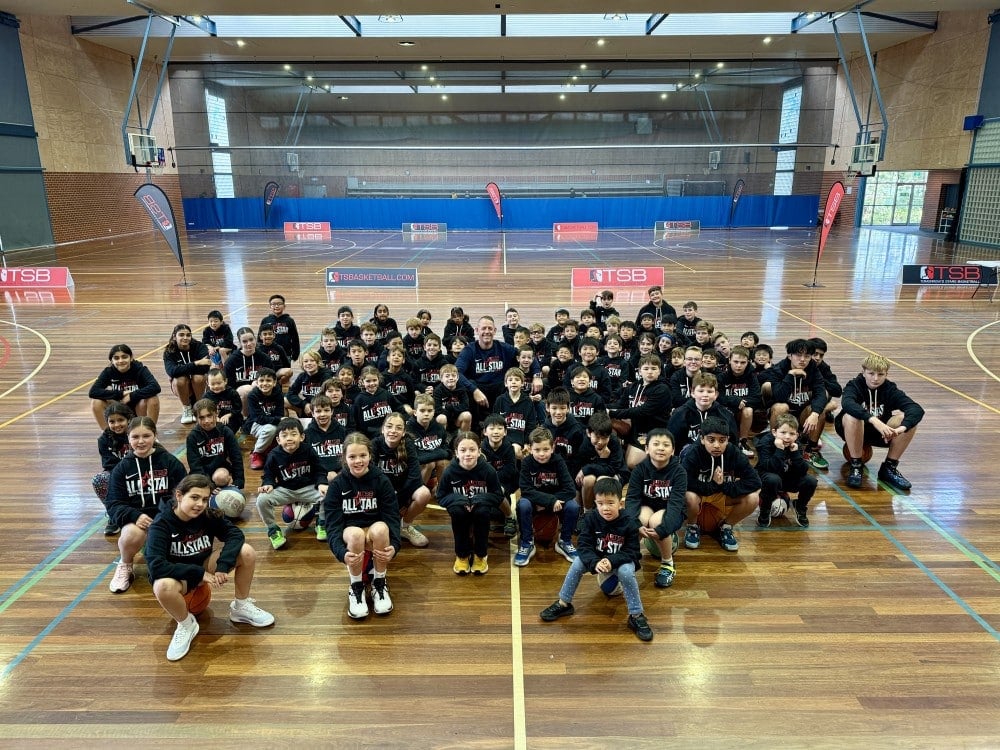
Basketball camps in Melbourne continue to be one of the most in-demand school holiday activities — and Tomorrow’s Stars Basketball is leading the way.

For more than 26 years, our school holiday basketball programs have helped over 26,000 players develop confidence, skills, and a lifelong love of the game. As families begin planning things to do during the January 2026 school holidays, our basketball camps are once again selling out fast.

Tomorrow’s Stars Basketball is hosting its Box Hill Basketball Camp on April 9th and 10th, 2026. The North Melbourne Basketball Camp will follow on April 13th and 14th, and Mill Park Basketball Camp will take place on April 16th and 17th, 2026. Demand is high for all camps, as spots are limited. Boys and girls ages 5–15 are welcome to join these two-day sessions, which now cost $190 instead of $210, and continue to uphold the exceptional coaching quality Tomorrow’s Stars Basketball is known for across Melbourne.

So why are parents booking earlier than ever? Here’s exactly why our April 2026 basketball camps are filling so quickly, and how to secure your child’s place before it’s too late.

The Growing Popularity of School Holiday Basketball Camps in Melbourne

School holidays can be challenging for families, especially when parents want activities that are active, social, and genuinely beneficial. This is why school holiday basketball camps in Melbourne have become one of the most popular choices year after year.

At Tomorrow’s Stars Basketball, our camps provide the perfect alternative to excessive screen time. Instead of staying indoors, children spend their holidays:

Beyond physical benefits, our basketball holiday camps create an environment where children:

  • Make new friends from different schools and communities
  • Learn teamwork, leadership, and respect
  • Build social confidence in a structured, positive setting

Importantly, our programs cater to all ability levels, from first-time players picking up a basketball to advanced athletes already competing in domestic or representative competitions. This inclusive approach ensures every child feels supported, challenged, and inspired.

What Makes Tomorrow’s Stars Basketball Camps Different in April 2026

Not all basketball camps are created equal, and this is where Tomorrow’s Stars Basketball truly stands apart.

Our April 2026 Basketball Program is strategically scheduled right after the Easter break, helping kids:

  • Re-establish routine
  • Stay active during the holidays
  • Return to school feeling confident and energised

Each camp follows a structured development model, focusing on:

  • Fundamental skill development (shooting, ball handling, footwork, defence)
  • Game understanding and decision-making
  • Confidence, effort, and love for the game

Unlike generic holiday programs, our sessions are delivered by:

  • Accredited Development Coaches
  • Semi-professional athletes
  • Experienced Representative Coaches

April 2026 camps also offer a variety of tailored experiences, including:

  • Age-specific training groups from 5 to 15 years
  • Programs suitable for beginners through to advanced players
  • Inclusive coaching environments where every child belongs

Combined with limited numbers, professional coaching, and a proven track record, it’s easy to see why these basketball camps in Melbourne continue to sell out.

What a Basketball Camp Can Do for You

From a Beginner to a Confident Player: What a Basketball Camp Can Do for You

Thinking about improving your basketball game? You’ve probably heard about basketball camps, but what exactly can a basketball camp do for you? It’s more than just running drills and shooting hoops. These camps offer a structured environment where you can really focus on getting better, building confidence, and learning skills that go way beyond the court. Let’s take a look at what you can gain.

Key Takeaways

  • A basketball camp is a great place to learn new skills and get better at the ones you already have. You’ll work on everything from basic dribbling to more advanced moves.
  • You’ll find that camps help you feel more confident, both when you’re playing and in other parts of your life. Facing challenges and getting encouragement makes a big difference.
  • Playing basketball at a camp teaches you how to work with others. You learn to talk to your teammates, play fair, and be a good sport.
  • Not all camps are the same, so it’s important to find one that fits what you’re looking for. Think about the coaches, the types of training, and the overall vibe.
  • The things you learn at camp, like how to handle tough situations and work with a team, can help you out for a long time, even after the camp is over.

Why Choose a Basketball Camp?

Skill Development: The Core Benefit

When you’re looking to improve your basketball game, a dedicated camp is a smart move. It’s not just about playing more games; it’s about focused training. You get to work on the nitty-gritty details of your technique, like dribbling, shooting form, and defensive footwork, with coaches who know their stuff. This kind of concentrated practice is where real progress happens. Think of it as getting a personalised tune-up for your game. You’ll spend hours drilling specific skills, receiving immediate feedback, and repeating until it feels natural. This is particularly true if you’re exploring options like basketball camps in Melbourne, where you can find programs tailored to different age groups and skill levels.

Beyond the Basics: Advanced Techniques

Sure, everyone knows how to shoot and dribble, but a good camp goes further. You’ll learn about things like reading the court, making smarter decisions under pressure, and developing advanced offensive and defensive strategies. It’s about understanding the why behind the plays, not just the how. You might learn how to execute a pick-and-roll effectively, or how to anticipate an opponent’s move. These are the kinds of skills that separate good players from great ones. Camps often break down complex moves into manageable steps, making them easier to grasp and implement. You’ll also get to see how these techniques are used by experienced players, giving you a clear picture of what to aim for.

Building Confidence on and Off the Court

Attending a basketball camp is a fantastic way to build your self-belief, not just when you’re on the court, but in other parts of your life too. It’s all about facing new situations and learning how to handle them.

Overcoming Challenges and Developing Resilience

Every practice session, every drill, and every game presents opportunities to push your limits. You might try a new move you’re not sure you can pull off, or face a tough defensive player. These moments, where you feel a bit nervous or uncertain, are where real growth happens. When you work through them, maybe with a bit of encouragement from a coach or a teammate, you start to see that you can handle difficult things. It’s like learning to bounce back after a missed shot or a tough loss; you learn that setbacks aren’t the end of the world. This ability to get back up, dust yourself off, and try again is what we call resilience, and it’s a skill that helps you with everything, from school projects to tricky conversations.

Here’s how camp helps you build that resilience:

  • Trying new skills: You’ll be encouraged to attempt techniques that are a step up from what you’re used to.
  • Dealing with pressure: Scrimmages and game situations teach you to perform even when the stakes feel high.
  • Learning from mistakes: Coaches will help you see errors not as failures, but as chances to learn and improve.

Camp provides a safe space to test your boundaries. You’re surrounded by people who are also learning and growing, making it easier to take risks and learn from the outcomes, whatever they may be.

The Power of Positive Reinforcement

Nobody likes feeling like they’re not good enough, right? At camp, the focus is often on celebrating your effort and your progress. When you hustle for a loose ball, make a good pass, or even just try your hardest on a drill, you’ll likely get some positive feedback. This isn’t just about making you feel good in the moment; it’s about showing you that your hard work is noticed and that it matters. This kind of encouragement helps you believe in yourself and motivates you to keep putting in the effort. It’s a cycle: you try hard, you get positive feedback, you feel more confident, and then you’re more likely to try hard again. Coaches are skilled at pointing out what you’re doing well and suggesting small improvements in a way that doesn’t make you feel bad. This balance of praise and helpful advice is key to building genuine self-assurance.

Teamwork and Sportsmanship: Essential Life Skills

Basketball camps are fantastic places to learn more than just how to shoot a three-pointer. You’ll also pick up some really important skills for life, like how to work well with others and how to be a good sport. These are things that will help you out long after you’ve left the court.

Learning to Communicate and Cooperate

On the court, you can’t just do your own thing. You have to talk to your teammates, figure out plays together, and help each other out. This means learning to listen when someone calls for the ball, or letting them know you’re open for a pass. It’s about working as a unit, not just as individuals. You’ll find that when everyone communicates and cooperates, the team plays much better. This kind of teamwork isn’t just for basketball; it’s useful in school projects, at work, and even when you’re just hanging out with mates.

  • Listen actively to what your teammates and coaches are saying.
  • Speak clearly when calling out plays or giving encouragement.
  • Offer support to your teammates, whether they’ve made a great play or missed a shot.
  • Share responsibilities during drills and games.

Understanding the Rules and Fair Play

Knowing the rules of basketball is one thing, but understanding fair play is another. It means playing hard but also playing honestly. You learn to respect the referees’ calls, even if you don’t agree with them. It’s about giving your best effort without trying to cheat or take shortcuts. This respect for the game and for your opponents is what sportsmanship is all about. It teaches you to handle both winning and losing with a bit of grace. You’ll learn that it’s okay to be competitive, but it’s more important to be respectful.

Playing fair and showing respect are skills that build character. They help you become someone others can rely on, both on and off the court.

Here’s a quick look at what good sportsmanship involves:

  • Respecting opponents: Acknowledge their effort and play cleanly.
  • Respecting officials: Accept their decisions without arguing.
  • Showing humility in victory: Don’t brag or put down the other team.
  • Demonstrating resilience in defeat: Congratulate the winners and learn from the loss.

Finding the Right Camp for You

What to Look For in a Basketball Camp

Choosing the right basketball camp is a big step towards improving your game. It’s not just about finding a place to play; it’s about finding an environment that fits your needs and helps you grow. You’ll want to consider a few key things to make sure you pick a camp that’s a good match.

First off, think about the coaching. Who will be teaching you? Look for camps with experienced coaches who have a good track record. Sometimes, you can find information about the coaches’ backgrounds online, or even read reviews from past campers. A good coach can make a huge difference in how much you learn and enjoy the experience.

Next, consider the skill level the camp is designed for. Are you just starting out, or are you looking to refine advanced techniques? Some camps cater to beginners, while others focus on more experienced players. Make sure the camp’s focus aligns with your current abilities and goals.

Here are some important aspects to investigate:

  • Training Focus: Does the camp concentrate on specific skills like shooting, dribbling, or defence? Or is it a more general approach?
  • Camp Size: Smaller camps might offer more individual attention, while larger ones could have more resources and a wider variety of activities.
  • Facilities: What are the courts like? Is there access to other training areas or recovery spaces?
  • Schedule and Daily Activities: What does a typical day look like? Is there a good balance between on-court training, rest, and other activities?
  • Location and Accommodation: If you’re travelling, consider how easy it is to get there and what the living arrangements are like if it’s an overnight camp.

Don’t be afraid to ask questions. A reputable camp will be happy to provide details about their program, staff, and what you can expect. This shows they care about your experience.

Finally, think about the overall camp experience. Beyond the basketball itself, what else does the camp offer? Some camps include fun activities, team-building exercises, or even workshops on sports psychology. These can add a lot to your time away and help you develop as a person, not just a player.

The Long-Term Impact of Camp Experience

Attending a basketball camp is more than just a week or two of drills and games; it’s an investment in your future on and off the court. The skills you hone, the confidence you build, and the lessons you learn stick with you long after you’ve packed your bags. You’ll find that the discipline and focus developed during intensive training translate into better performance in schoolwork and other activities. The resilience you build when facing tough drills or competitive games helps you bounce back from setbacks in everyday life.

Think about the practical takeaways. You’ll likely leave with a clearer understanding of your strengths and areas for improvement, a more developed basketball IQ, and a refined technique. These camps provide a structured environment to experience these camps and truly grow.

Here’s a glimpse of what you can expect to carry forward:

  • Improved decision-making: Learning to read the game faster and make smarter plays.
  • Enhanced communication: Better ability to work with teammates and coaches.
  • Greater self-awareness: Understanding your own capabilities and how to push your limits.
  • A stronger work ethic: The drive to practice and improve consistently.

The habits formed at camp, like consistent practice and positive self-talk, become ingrained. This isn’t just about basketball; it’s about developing a mindset that supports success in all your endeavours.

Many campers find that the friendships forged during camp create a lasting support network. You’ll have peers who share your passion and understand the dedication required to excel. This sense of community can be incredibly motivating.

Your Next Step on the Court

So, you’ve seen how a basketball camp can really make a difference. It’s not just about learning to shoot or pass better, though you’ll definitely get there. It’s about building that inner belief in yourself. You’ll learn to handle tough moments, work with others, and feel good about what you can do. Think about signing up for a camp – it’s a solid way to grow, both as a player and as a person. You might surprise yourself with how much you can achieve.

Basketball Camps vs. Regular Self-Training

Basketball Camps vs. Regular Self-Training: Which is Better for Skill Development

Deciding how to improve your basketball skills can be a bit of a puzzle. You’ve got options like structured basketball camps, where you’re guided by coaches, or going it alone with self-training. Both have their upsides, and figuring out which path is best for you depends on what you’re looking to achieve and how you learn best. Let’s break down what each approach brings to the table.

Key Takeaways

  • Basketball camps offer a structured way to learn, with coaches guiding you through drills and strategies, which can really help refine your technique.
  • Self-training gives you the freedom to work on your game at your own speed and focus on the specific things you know you need to improve.
  • Camps expose you to different coaching styles and can put you in competitive situations that mimic real games, helping you learn to handle pressure.
  • Building discipline and self-motivation are big parts of self-training, teaching you to push yourself even when no one is watching.
  • Ultimately, the best approach might be a mix of both – using camps for intensive learning and self-training to reinforce those skills and work on individual weaknesses.

Understanding the Core Differences

When you’re looking to improve your basketball game, you’ve got a couple of main paths you can take: structured basketball camps or going it alone with self-training. Each has its own flavour, and understanding these differences is the first step to picking what’s right for you.

Basketball Camps: Structured Learning and Coaching

Think of a basketball camp as a dedicated learning environment. It’s usually run by experienced coaches who have a plan for what they want you to learn. The sessions are typically organised with specific drills and activities designed to teach particular skills or strategies. You’ll often find yourself in a group setting, working alongside other players who are also there to get better. The biggest draw here is the direct guidance you receive. Coaches are there to show you how to do things, correct your mistakes on the spot, and explain the ‘why’ behind different techniques. It’s a bit like being in a classroom, but on the court, with a clear curriculum and expert instructors.

Self-Training: Flexibility and Individual Pace

On the flip side, self-training is all about you and the ball. You decide what you want to work on, when you want to work on it, and how you want to do it. This could mean heading to the local park to shoot hoops by yourself, doing drills you’ve seen online, or working on specific moves you feel you need to improve. The pace is entirely up to you. If you want to spend an hour just on free throws, you can. If you’re feeling tired, you can cut the session short. It requires a good dose of self-discipline and motivation because there’s no coach standing over you, pushing you to keep going or telling you what to do next. It’s a more independent approach to skill development.

Skill Development: The Advantages of Camps

When you’re looking to really level up your basketball game, attending dedicated Basketball Camps can offer some serious advantages over just shooting hoops on your own. These camps are designed to give you a concentrated dose of improvement, pushing you in ways that solo practice often can’t.

Intensive Skill Refinement and Technique

Think of a camp as a focused workshop for your basketball abilities. You’re not just casually working on your game; you’re getting direct, expert guidance on the nitty-gritty details. Coaches at these camps are there to break down complex moves into manageable steps, helping you correct bad habits and build solid foundations. This kind of detailed attention can significantly speed up your learning curve. You’ll likely spend a lot of time drilling specific techniques, like perfecting your jump shot form or mastering a crossover dribble, with immediate feedback.

Exposure to Different Coaching Styles and Strategies

Every coach has their own way of seeing the game and teaching it. At a camp, you get to experience a variety of coaching philosophies and strategies. This exposure is incredibly beneficial because it broadens your understanding of basketball. You might learn a new defensive tactic from one coach and a different offensive play from another. This variety helps you become a more adaptable and well-rounded player, capable of understanding and executing different game plans.

Competitive Environment and Game Simulation

Camps often simulate game-like situations, putting you in scenarios where you have to perform under pressure. This competitive atmosphere is where you truly test your skills. You’ll be playing against other players who are also there to improve, creating a challenging but rewarding environment. This kind of practice is invaluable for building confidence and learning how to make the right decisions when the game is on the line. It’s about more than just drills; it’s about applying what you’ve learned in a dynamic setting.

Here’s a look at how camps can structure this development:

  • Drill Intensity: Camps often use high-repetition drills designed for rapid skill acquisition.
  • Situational Play: Scrimmages and small-sided games are used to replicate game pressure.
  • Feedback Loops: Coaches provide immediate corrections and adjustments during drills and games.

The structured environment of a basketball camp provides a unique opportunity for players to receive concentrated coaching and experience game-like pressure, which can accelerate skill development beyond what is typically achievable through self-training alone.

Skill Development: The Advantages of Self-Training

While structured camps offer a lot, there’s a real power in going it alone with your basketball development. Self-training gives you a unique kind of control over how you improve.

Focus on Specific Weaknesses

Sometimes, you know exactly what you need to work on. Maybe your free throws are a bit shaky, or your crossover dribble isn’t as sharp as you’d like. Self-training lets you zero in on these specific areas without the distraction of a broader curriculum. You can spend an entire session just on one move, repeating it until it feels natural. This targeted approach can be incredibly effective for ironing out those personal flaws that might get less attention in a group setting.

  • Identify your weakest skills. Be honest with yourself about what needs the most work.
  • Design specific drills. Create or find drills that directly address those weaknesses.
  • Track your progress. Keep notes on how you’re doing to stay motivated and see improvements.

Building Discipline and Self-Motivation

Training by yourself isn’t just about the physical reps; it’s a mental game too. You’re the one who has to show up, put in the effort, and push yourself when you don’t feel like it. This builds a strong sense of discipline and self-motivation that’s useful way beyond the basketball court. It teaches you to be accountable for your own growth and to find that inner drive to keep going, even when no one else is watching.

Basketball camp session drill

When you train on your own, you learn to rely on your own internal compass. It’s about developing the grit to practice even when it’s tough, which is a skill that pays dividends in all aspects of life.

This kind of independent practice is perfect for players who are already quite self-aware and have a good handle on their game. You can tailor your schedule to fit your life, practice whenever and wherever you have the chance, and really own your journey to becoming a better player.

Making the Right Choice for Your Development

Deciding between a structured basketball camp and a more independent self-training approach really comes down to what you’re aiming for and how you learn best. Think about your current skill level and what you want to achieve. If you’re looking for rapid improvement in specific areas and enjoy learning from different coaches, a camp might be the way to go. It offers that concentrated dose of expert guidance and a competitive push. On the other hand, if you prefer to set your own pace, focus deeply on one or two weaknesses, and build that inner drive, self-training could be more your style.

Consider this: camps provide a curated experience, often with drills designed to push you outside your comfort zone and expose you to new tactics. Self-training, however, lets you be the architect of your own development. You can spend hours on that one tricky crossover or perfect your free throw without any time constraints. It’s about building that personal discipline and understanding your own game on a deeper level.

Here’s a quick way to think about it:

  • Camps: Great for broad skill exposure, learning from multiple coaches, and experiencing game-like pressure.
  • Self-Training: Ideal for targeted practice, developing self-discipline, and learning at your own speed.

Ultimately, the best choice isn’t a one-size-fits-all answer. It’s about understanding your own learning preferences and goals. Sometimes, a combination of both can be incredibly effective. You might attend a camp to get a solid foundation and new ideas, then use self-training to reinforce those lessons and work on specific areas identified during the camp.

The key is to be honest with yourself about what motivates you and where you see the biggest gaps in your game. Don’t just pick what seems easiest or most popular; pick what will genuinely help you grow as a player.

Conclusion: Finding the Optimal Balance

So, you’ve looked at the differences between structured basketball camps and going it alone with self-training. Both have their own good points, right? Camps give you that intense coaching and a taste of different styles, which is pretty handy for shaking things up. On the flip side, training yourself lets you really zero in on what you need to fix and builds that inner drive.

The real trick is figuring out how to blend these approaches to get the best results for you. It’s not really an either/or situation. Think about it like this:

  • Camps: Great for getting a solid foundation, learning new techniques quickly, and experiencing a competitive buzz. They’re like a concentrated dose of basketball knowledge.
  • Self-Training: Perfect for reinforcing what you learned at camp, working on those specific moves that give you grief, and developing the discipline to keep going even when no one’s watching.

Ultimately, the most effective development comes from a smart mix. Use camps to gain new insights and refine skills, then take that knowledge and apply it through dedicated self-practice. This way, you’re not just learning, you’re truly growing as a player.

Consider your current skill level and what you want to achieve. If you’re just starting out or feel stuck, a camp might be the perfect kickstart. If you’re already pretty solid but have a few nagging weaknesses, focused self-training, perhaps guided by notes from a previous camp, could be the way to go. Maybe you can even find local training groups that offer a bit of both – structured sessions with opportunities for individual focus. The goal is to keep learning and improving, no matter how you get there.

So, What’s the Verdict?

Ultimately, the best approach to improving your basketball skills really depends on you. If you’re super disciplined and know exactly what you need to work on, self-training can be a cost-effective way to go. However, for most players, especially younger ones, structured training like camps or group sessions offer a more balanced path. These environments provide expert guidance, real game situations, and the chance to learn from others. While one-on-one training offers the most personalised attention, it often comes with a higher price tag. Consider your goals, your budget, and how you learn best when making your choice. Whichever route you pick, remember that consistent effort and a smart training plan are key to seeing real improvement on the court.

Frequently Asked Questions

How do basketball camps help with skill development?

Basketball camps offer a fantastic way to boost your skills. You get to learn from experienced coaches who can show you the best techniques for dribbling, shooting, and defending. They often run drills that focus on making you better at specific parts of the game, and you get to practice these skills a lot in a short time. Plus, playing with other talented players can push you to improve even faster.

What are the benefits of training on your own?

Training by yourself gives you heaps of freedom. You can decide exactly what you want to work on, maybe those free throws you keep missing or that crossover dribble. You can train whenever it suits you, and you don’t have to worry about keeping up with anyone else. It’s also a great way to build your own discipline and learn to motivate yourself, which are super important skills for life.

Can self-training really replace a coach?

While self-training is great for practising what you already know or working on specific things, it’s hard to spot your own mistakes. A coach can see things you might miss, like your footwork or how you hold the ball, and give you tips to fix them. So, while self-training is valuable, it usually works best when you also get feedback from someone who knows the game well.

Are basketball camps good for learning teamwork?

Absolutely! Basketball is a team sport, and camps are brilliant for learning how to play with others. You’ll be put into situations where you have to communicate with your teammates, trust them, and work together to win. This experience helps you understand different player roles and how to support each other, which is a skill that’s useful way beyond the basketball court.

How do camps teach you to handle pressure?

Camps often have competitive games and drills that feel like real game situations. This means you have to perform your best even when things get intense. Learning to stay focused and make good decisions under pressure during a camp is a really valuable skill. It helps you get used to that feeling, so you’re better prepared for important games or even stressful situations in school or life.

When is self-training the best option?

Self-training is a brilliant choice if you’re already quite good at basketball and know your own game well. It’s perfect for when you need to focus on a particular weakness, like improving your jump shot accuracy or ball-handling speed, without the distractions of a group. It’s also ideal if you have a busy schedule and need the flexibility to train whenever you can fit it in.

How to Stand Out at Basketball Tryouts Melbourne

How to Stand Out at Basketball Tryouts Melbourne: Insider Tips with Head Trainer Brett Rainbow

Dreading basketball tryouts Melbourne this season? You are not alone. Every year, hundreds of talented players compete for limited roster spots across Melbourne’s competitive elite basketball leagues.

The pressure is real. However, what separates those who make the cut from those who do not is not always raw talent. Many players invest in private basketball coaching Melbourne to gain an edge, but even extensive basketball training will not guarantee success without understanding what coaches are truly evaluating.

As a veteran basketball coach who has conducted countless tryouts and trained tens of thousands of players, I have noticed specific patterns among successful candidates. The players who make my teams demonstrate more than just skills — they show basketball IQ, coachability, and mental toughness.

In this insider’s guide, I will reveal exactly what Melbourne basketball coaches look for during tryouts, the habits that will get you noticed, common mistakes to avoid, and how to stand out both on and off the court. Let’s transform your next tryout from an anxiety-inducing experience into your opportunity to shine with Tomorrow’s Stars Basketball.

Understand What Coaches in Melbourne Look For

Success at basketball tryouts Melbourne requires understanding the unique selection processes local coaches employ. Unlike other cities, Melbourne’s basketball scene has developed its own distinct evaluation criteria.

Why Melbourne Basketball Tryouts are Different

Melbourne’s basketball culture emphasises development alongside competitiveness. At clubs like Melbourne Tigers and Chase Basketball, the selection process involves multiple coaches overseeing age-group tryouts, managed by Heads and Directors of Coaching. This collaborative approach ensures comprehensive player assessment.

Additionally, Melbourne clubs often field varying numbers of teams — some maintaining strict selection standards with only 4–5 teams per age group, while others accommodate up to 10 teams. This creates significant competition, with players sometimes competing against 150 others for limited spots in elite basketball programs.

Common Traits Coaches Prioritise

Melbourne basketball coaches assess players through specific selection criteria. Among the most valued traits are:

  • Skills and ability: Technical proficiency appropriate for Victorian Junior Basketball League level.
  • Attitude: Coachability, mental toughness, leadership, concentration, and resilience under pressure.
  • Physical attributes: Height, arm length, fitness, speed, endurance, and agility.
  • Basketball IQ: Decision-making, anticipation, understanding of basketball concepts.
  • Team orientation: Ability to accept roles, support teammates, and positively influence the team.

Many Melbourne clubs particularly value players who display specific character traits. McKinnon Basketball, for instance, looks for players who are respectful, confident, resilient, and problem solvers. Furthermore, clubs like Collingwood value teamwork over individual performance and hard work over talent.

How to Research Your Specific Team

Researching your target club’s values is crucial before tryouts. Start by reviewing the club’s website for their mission statement and player expectations. For instance, Melbourne Tigers publishes detailed selection criteria, while Collingwood Basketball explicitly states they prioritise local players and those committed to their programme.

Selection subjectivity is inevitable. Watching the team reveals their style, while Melbourne’s sports culture offers many chances to see competitive games. Speaking with team members also provides useful insights on coaching and dynamics.

Remember: past team selection doesn’t guarantee future placement. Focus on demonstrating the specific qualities your target club values most.

8 Key Habits That Will Get You Noticed

Mastering these eight habits at basketball tryouts Melbourne will instantly elevate your chances of making the team. These are not just suggestions — they’re proven strategies coaches actively look for when selecting players for their basketball academy or training programmes.

1. Arrive early and warm up with purpose

Showing up 15 minutes before tryouts demonstrate reliability and commitment. Rather than casual shooting, implement a structured warm-up routine. Dynamic stretches like hamstring scoops, knee hugs, and lateral bounds prepare your body properly, increasing blood flow and oxygen while reducing injury risk. Static stretches should be saved for after the session.

2. Hustle on every play and drill

Effort remains the one element you control throughout tryouts. Sprint during transitions, dive for loose balls, and be the first to volunteer for drills. Coaches notice players who run hard, even when tired. Your intensity can set the tone for the entire group, making you stand out regardless of your skill level.

3. Communicate loudly and clearly

Be the loudest player in the gym. Call out screens, announce defensive assignments, and encourage teammates. Communication demonstrates confidence, awareness, and leadership. Players who practise active listening tend to develop stronger bonds with teammates, leading to increased trust and collaboration on court.

4. Play to your strengths, not your ego

Understand what you do well and showcase those skills consistently. If you excel at rebounding, dominate the glass. If defence is your specialty, lock down opponents. Avoid the “amazing play mentality”—flashy moves rarely impress coaches as much as consistent execution of fundamentals.

5. Show leadership through encouragement

Support teammates through “touches”—high-fives, fist bumps, and words of encouragement. Celebrate others’ successes openly. This creates a positive team atmosphere and demonstrates your ability to elevate those around you.

6. Make eye contact and listen actively

Maintain steady eye contact with coaches, nod to show understanding, and avoid distractions. Active listening involves focusing completely on instructions, allowing you to adapt quickly and make necessary adjustments faster than players who merely hear words.

7. Recover quickly from mistakes

Your response to errors speaks volumes. Mentally acknowledge disappointment but remain kind to yourself. Show “play of the game” body language after mistakes—head up, eyes up, chest up. This mental toughness impresses coaches more than perfect execution.

8. Ask smart questions when unsure

Approach coaches during appropriate moments to seek clarification. Keep questions concise and focused on improvement. This demonstrates coachability and desire to learn — qualities Melbourne coaches consistently prioritise in players.

Avoid These Common Tryout Mistakes

Even talented players can sabotage their basketball tryouts Melbourne opportunities by falling into common traps. Knowing what to avoid is often as important as knowing what to do.

Trying to do too much

One of the biggest mistakes is attempting to impress coaches with skills outside your comfort zone. Coaches aren’t looking for flashy moves or highlight-reel plays — they want players who understand their strengths.

Instead of forcing three-pointers if you’re not a shooter, focus on what you do well. Remember that coaches prioritise basketball fundamentals over style. Attempting to do too much often results in mistakes that create negative impressions which are difficult to change.

Ignoring instructions or drills

Coaches constantly evaluate who follows instructions immediately versus who needs repeated reminders. When a coach speaks, maintain eye contact and nod to demonstrate understanding.

Pay close attention during drill explanations — coaches use tryouts to identify players who listen and quickly apply what they teach. This coachability factor significantly influences selection decisions, especially when choosing between players of similar skill levels.

Poor body language

Your non-verbal communication speaks volumes during basketball tryouts. Slumped shoulders, head-shaking, or visible frustration after mistakes can undermine your chances.

Coaches specifically look for players who recover quickly from errors and maintain positive attitudes. Negative body language not only affects your performance but can also damage team morale — a critical consideration for coaches building cohesive teams.

Over-dribbling or forcing shots

Aimless dribbling and forced shots immediately signal poor basketball IQ. Ball-hogging creates real problems for teams, undermining morale and team unity.

Coaches want players who make purposeful moves that create scoring opportunities — not those who dribble in circles or always look to shoot rather than pass. Focus on making quick decisions that benefit the team instead of showcasing individual skills at the expense of effective play.

Stand Out Beyond the Court

Beyond your basketball skills, coaches in Melbourne evaluate your character and professionalism. Indeed, how you conduct yourself off the court often becomes the deciding factor when selecting between players of similar ability.

Introduce yourself to the coach

Take initiative by approaching coaches before tryouts begin. Walk directly to the coach, introduce yourself with a firm handshake, maintain eye contact, and offer a genuine smile. This simple act demonstrates confidence and sets you apart from other players.

Moreover, arriving early shows dedication and dependability. Use this opportunity to express your enthusiasm about making the team and ask what specific qualities they’re seeking in players.

Be respectful to staff and players

Listen attentively when others speak — you learn far more from listening than talking. Support your teammates through encouragement, high-fives, and positive reinforcement during drills.

Consequently, coaches notice players who celebrate others’ successes and offer help when teammates struggle. Above all, maintain politeness with everyone you encounter, from coaching staff to facility personnel. Honesty in all interactions builds trust, which coaches value tremendously.

Follow up after tryouts with gratitude

After tryouts conclude, seek out coaches to thank them for the opportunity. Certainly, this final impression leaves a lasting impact. Subsequently, take time to reflect on your performance and request constructive feedback. Even if you don’t make the team, this professional approach demonstrates maturity and creates positive connections for future opportunities.

Conclusion

Basketball tryouts Melbourne present both challenges and opportunities for aspiring players. Understanding what coaches truly seek beyond raw talent gives you a significant advantage in this competitive environment. Preparation ultimately makes the difference between those who make the team and those left wondering what went wrong.

First and foremost, recognise that Melbourne’s basketball culture has unique evaluation criteria. Coaches assess not only your technical skills but also your attitude, physical attributes, basketball IQ, and team orientation. Therefore, researching your target club’s specific values before tryouts provide critical insights into their selection priorities.

Additionally, developing the eight key habits outlined above will dramatically increase your chances of standing out. Players who arrive early, hustle consistently, communicate effectively, play to their strengths, show leadership, listen actively, recover quickly from mistakes, and ask smart questions consistently impress coaches across Melbourne.

Equally important, avoid common mistakes that can instantly damage your prospects. Attempting flashy plays beyond your skill level, ignoring instructions, displaying negative body language, or dominating the ball without purpose signals poor basketball IQ and teamwork.

Furthermore, your behaviour off the court often becomes the deciding factor between similarly skilled players. Taking initiative to introduce yourself, showing respect to everyone involved, and following up with gratitude demonstrates character qualities coaches value tremendously.

Basketball tryouts certainly create pressure, but they also provide opportunities to showcase your complete package as a player. By focusing on what coaches actually value rather than what you think impresses them, you transform anxiety into confidence. Remember that consistency in fundamentals will always outweigh occasional brilliance.

The path to making a Melbourne basketball team involves more than private basketball coaching or endless practice. It requires understanding the evaluation process, demonstrating the right habits, avoiding common pitfalls, and showing character beyond the court.

Armed with these insights, you now possess the complete playbook to approach your next basketball tryouts with confidence and purpose.

To further enhance your skills and preparation, consider exploring:

  • Adult basketball training programmes for more mature players
  • Basketball classes to refine specific techniques
  • Private basketball training sessions for personalised attention
  • Basketball holiday camps for intensive skill development
  • Basketball coaching sessions focused on strategic gameplay
  • Basketball skills coaching to address specific weaknesses
  • Comprehensive basketball training packages for all-around improvement

Don’t just show up to tryouts. Show out! Best of luck🏀

What to Expect at Your First Basketball Camp

What to Expect at Your First Basketball Camp

So, you are getting ready for your first basketball camp. That’s a big deal! It’s normal to feel a bit excited and maybe a little bit nervous. This camp is a chance to pick up new skills, meet other players, and just have a good time on the court. This guide will walk you through what you can expect, from getting ready before you go to making the most of your time there, and even what to do once it’s all over. Get ready to hit the court and have a cracker of a time at what will likely be the first of many basketball camps!

Key Takeaways

  • Always pack your bag the night before camp starts to avoid a last-minute rush.
  • Be ready to learn new things and try out different drills, even if they feel a bit tricky at first.
  • Make sure you drink plenty of water throughout the day to stay hydrated and keep your energy up.
  • Don’t be shy about asking your coaches questions; they are there to help you get better.
  • Remember to have fun and enjoy playing basketball with everyone at camp.

Before You Go: Preparation is Key

Getting ready for basketball camp? It’s more than just showing up with your shoes. A bit of planning can make the whole experience way better. Let’s run through what you need to think about before you head off.

Packing Essentials for Camp

Okay, so what exactly should you chuck in your bag? Here’s a quick rundown:

  • Basketball shoes: Obvious, but make sure they’re broken in. Blisters are not your friend.
  • Sports clothes: Think shorts, t-shirts, socks. Enough for each day, maybe a couple of extras.
  • Water bottle: Staying hydrated is super important. Get a good, reusable one.
  • Towel: For showers and mopping up sweat. Microfibre ones are light and dry fast.
  • Toiletries: Soap, shampoo, toothbrush, toothpaste, deodorant – the usual suspects.
  • Sunscreen: Even if it’s not super sunny, protect your skin.
  • Hat or visor: Keep the sun out of your eyes during outdoor sessions.
  • Snacks: Some healthy snacks to keep your energy levels up between meals. Think fruit, nuts, or muesli bars.

Don’t forget any medication you need, and make sure the camp staff know about it. It’s also a good idea to label everything with your name.

Mental Preparation and Goals

Camp isn’t just about drills and skills; it’s also a chance to grow as a player and a person. Think about what you want to get out of the experience.

  • Set some goals: What skills do you want to improve? What do you want to learn?
  • Be open to new things: Try new positions, new drills, new strategies.
  • Be prepared to work hard: Camp can be intense, but the rewards are worth it.
  • Think about teamwork: Basketball is a team sport. Focus on how you can contribute to the team.
  • Have a positive attitude: A good attitude can make all the difference. Even when things get tough, try to stay positive and encouraging.

It’s also worth having a chat with your coach or parents about any concerns you have. Are you nervous about being away from home? Unsure about the skill level? Talking it through can help ease your mind. Remember, everyone’s there to learn and have a good time!

What a Typical Day Looks Like

Okay, so you’re probably wondering what a day at basketball camp actually looks like, right? Well, it’s usually pretty structured, designed to help you improve your skills and have a good time. Here’s a general idea:

Skill Development Drills

Expect a fair chunk of your day to be dedicated to drills. These drills are designed to improve your fundamental skills like dribbling, shooting, passing, and defence. Coaches will usually break you up into smaller groups based on age and skill level, so you’re working with people at a similar stage. You might be doing cone drills to improve your agility, shooting practise from different spots on the court, or passing drills to work on accuracy and teamwork. It can get pretty intense, but it’s all about getting better.

Teamwork and Scrimmages

After the drills, it’s time to put those skills into practise. This usually involves scrimmages, which are basically practise games. You’ll be divided into teams and get to play against each other, trying out the things you’ve been learning in the drills. This is a great way to improve your game sense and learn how to work with others on the court. Coaches will be watching and providing feedback, so pay attention and try to implement their suggestions. It’s not just about winning; it’s about learning and improving as a team.

Off-Court Activities and Learning

It’s not all basketball, all the time. There’ll usually be some off-court activities scheduled as well. This could be anything from watching game film and discussing strategy to doing some team-building exercises.

Some camps also incorporate classroom sessions where you’ll learn about things like nutrition, sports psychology, and injury prevention. These sessions are just as important as the on-court stuff, as they help you develop as a well-rounded athlete. Plus, it gives you a chance to rest your legs a bit!

Here’s a sample schedule to give you a better idea:

  • Morning: Skill development drills (dribbling, shooting, passing)
  • Afternoon: Teamwork drills and scrimmages
  • Evening: Off-court activities (film study, team building)

Keep in mind that this is just a general outline, and the specific schedule will vary depending on the camp. But hopefully, this gives you a good sense of what to expect.

Making the Most of Your Experience

Basketball camp isn’t just about drills and scrimmages; it’s a chance to grow, learn, and connect. To really get the most out of your time, consider these points.

Asking Questions and Seeking Feedback

Don’t be shy! The coaches are there to help you improve. If you’re unsure about a drill, a technique, or anything else, ask. Seriously, ask! It’s way better to clarify things in the moment than to keep doing something wrong. Feedback is a gift, so embrace it.

  • Actively seek feedback from coaches during and after drills.
  • Prepare specific questions beforehand to make the most of feedback sessions.
  • Listen carefully and take notes on the advice given.

Remember coaches have seen it all before. They can spot areas for improvement that you might not even realise exist. Use their expertise to your advantage.

Building Connections with Coaches and Peers

Camp is a great place to make new mates and build relationships with coaches. These connections can be super helpful down the track, both on and off the court. Chat to people during breaks, support your teammates during scrimmages, and just generally be a good sport. You never know where these connections might lead.

  • Participate in team-building activities with enthusiasm.
  • Offer encouragement and support to your fellow campers.
  • Initiate conversations and get to know people’s backgrounds and interests.

It’s not just about basketball skills; it’s about building character and learning how to work with others. Plus, having a good network of basketball buddies makes the whole experience way more enjoyable.

After Camp: Continuing Your Growth

Basketball camp is done and dusted, but your development doesn’t stop there! It’s time to take what you’ve learned and put it into practise. The real growth happens after the camp, as you integrate the new skills and knowledge into your regular training routine.

Asking Questions and Seeking Feedback

Don’t be shy about reaching out to the coaches from the camp. Most coaches are more than happy to provide additional guidance, even after the camp has finished. Consider sending a follow-up email with specific questions about your game. Ask for drills you can do at home or advice on areas where you can improve. Remember, feedback is a gift – use it to your advantage!

Building Connections with Coaches and Peers

Camp is a great place to make new connections. Keep in touch with the coaches and players you met. They can be a valuable source of support and motivation as you continue your basketball journey.

Consider forming a small group with other campers to practise together regularly. This can help you stay accountable and make the training process more enjoyable.

Here are some ways to maintain those connections:

  • Join a local basketball club or team.
  • Follow coaches and players on social media.
  • Attend local basketball events and tournaments.

Wrapping Things Up

So, there you have it. Your first basketball camp is a big step, and it’s totally normal to feel a bit unsure about it all. Just remember, everyone there wants to help you get better and have a good time. You’ll pick up new moves, meet some cool people, and probably get a bit tired, but it’s all part of the fun. Just show up ready to give it a go, listen to your coaches, and enjoy the experience. You’ll be surprised how much you learn and how much fun you have out on the court.

Frequently Asked Questions

Should I bring my own basketball to camp?

Bringing your own basketball is often a good idea, as it ensures you have a ball that feels familiar and allows for extra practise during downtime. However, most camps will provide basketballs for drills and games, so it’s not always a strict requirement. You should check with the camp organisers beforehand to be absolutely sure.

Do I need to bring a water bottle?

It is highly recommended that you bring a reusable water bottle. Staying hydrated is super important, especially when you are being active all day. There will be opportunities to refill your bottle throughout the day, so you can keep yourself topped up and ready to go.

Is this camp suitable for beginners?

Most basketball camps are designed for players of all skill levels. Whether you are just starting out or looking to improve your existing skills, the coaches will work with you to help you get better. The main goal is to learn, have fun, and develop your game.

What kind of clothing and shoes should I wear?

You should wear comfortable athletic clothing that allows for a full range of movement. This includes shorts or track pants, and a t-shirt or jersey. Make sure your basketball shoes are supportive and comfortable, as you will be doing a lot of running and jumping.

What if I feel a bit nervous or shy?

While it’s natural to feel a bit nervous before a new experience, try to focus on the exciting parts. You will learn new skills, meet new mates, and play a lot of basketball. Remember that everyone else is there for the same reasons, so you are all in it together. Just relax, have a good time, and give it your best shot!

What does a typical day at camp look like?

Camp days are usually packed with a variety of activities. You can expect warm-ups, skill-building drills focusing on things like dribbling, shooting, and passing, team games and scrimmages, and often some off-court sessions about strategy or teamwork. There will also be breaks for rest and lunch.

Teaching Kids Basketball Through Collaboration and Teamwork

Teaching Kids Basketball Through Collaboration and Teamwork

Basketball isn’t just about slam dunks and fast breaks – it’s also a powerful way to teach kids collaboration and teamwork. At our basketball camps, they build trust, communication, and adaptability while learning to share, support, and problem-solve together. These skills help your kids grow into confident, capable adults. Let’s explore how it all comes together on the court.

Working Toward Team Success

One of the first lessons young players learn is that basketball is never a solo sport, as even the most talented players need support, structure, and cooperation to succeed. Teaching your kids that the team’s success depends on each person doing their part helps them understand the importance of roles and responsibilities. They begin to appreciate that effort, hustle, and unselfish play all contribute to a win, even if their name isn’t on the scoreboard.

Developing Communication Skills

A strong basketball team is built on communication – calling for passes, switching on defence, or simply offering encouragement during a challenging game are all part of the sport’s language. When your kids practise these skills on the court, they often feel more confident off the court. They become better listeners, clearer speakers, and more aware of the power of positive words. These communication habits are especially important during childhood, when social skills are still developing.

Building Trust and Sharing the Spotlight

Passing the ball when you could take the shot isn’t always easy, but it’s one of the most powerful lessons in trust. Your kids learn that sometimes the best play is the one that helps someone else score. That means trusting teammates to follow through and celebrating their success as much as their own. Over time, this builds mutual respect, a deeper understanding of fairness, and a team-first mentality that benefits everyone.

Learning Adaptability and Mental Resilience

Every game brings surprises, from missed shots, unexpected turnovers and fast breaks to shifts in momentum. Basketball teaches your kids how to respond to these moments with resilience and focus. So instead of giving up, they learn to regroup, support each other, and keep playing with intent. This kind of adaptability is a vital life skill, helping your kids manage stress, bounce back from setbacks, and maintain a positive attitude when things don’t go to plan.

Encouraging Positive Growth On and Off the Court

Teamwork in basketball isn’t just about what happens during a game; it’s about building a mindset that carries into all areas of life. When your kids learn how to work well with others, they’re better equipped to handle group projects at school, collaborate with peers, and navigate relationships with empathy and understanding. Basketball becomes more than a sport; it becomes a training ground for life, shaping players into well-rounded individuals who know how to lead, support, and grow with others.

A Foundation That Lasts

The beauty of collaboration and teamwork is that it doesn’t fade when the final whistle blows. The lessons learned through basketball, such as trust, communication, adaptability, and resilience, stick with your kids long after leaving the court. Whether they continue with the sport or move on to new challenges, they carry those developed skills with them, ready to contribute, connect, and succeed in any team they join.

VIP Access to the NBA Like You’ve Never Seen

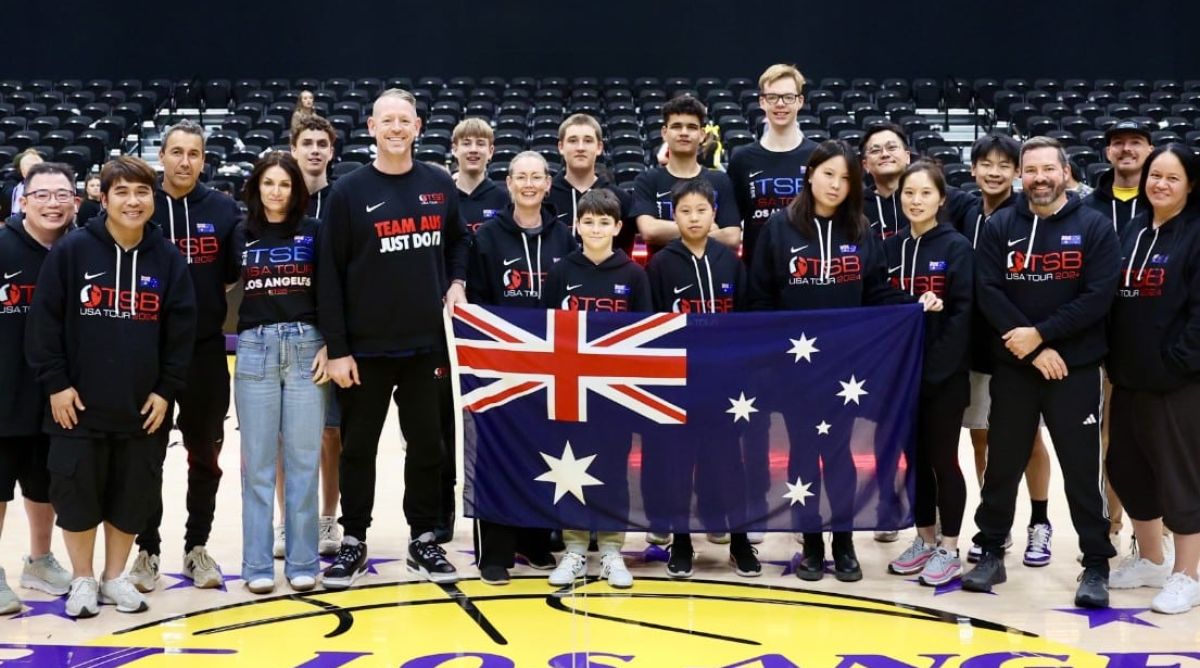
A trip to the USA is already a dream come true for basketball fans – but spending a day like this on our VIP USA Basketball Tour? That’s next-level. We’re talking all-access NBA moments, up-close encounters, and courtside thrills that feel like stepping inside the game. This isn’t just a tour – it’s a full-court fantasy come to life.

Morning Kick-Off with NBA Insider Access

We hit the ground running in Los Angeles with a morning that most basketball fans only dream about. Our first stop? An exclusive visit to an NBA team’s training facility. This isn’t a museum tour – it’s real-time, behind-the-scenes access that puts you right in the thick of the action.

Depending on the day’s schedule, you might witness a private team shootaround as the pros lock in their focus for game night. You might even chat with coaches or team personnel, gaining insights into game prep, recovery strategies, and what it really takes to perform at the highest level.

Afternoon LA Vibes and Pre-Game Excitement

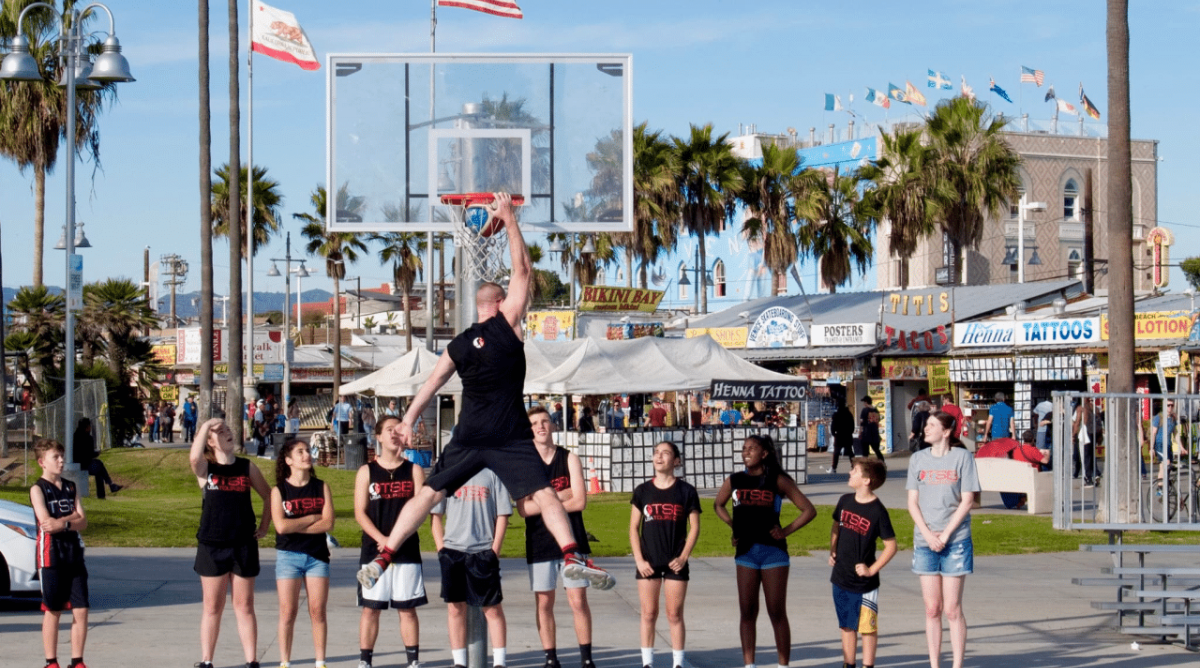
After an inspiring morning, we dive into the LA lifestyle – whether it’s strolling the iconic Venice Beach boardwalk, exploring Hollywood Boulevard, or stopping by a Lakers or Clippers team store, we soak up the vibe and get in the zone for game night.

Then it’s back to the arena – and this is where things really heat up! With VIP access, we head courtside before the crowds roll in and watch warm-ups from mere metres away, snapping photos, soaking up the sound of sneakers squeaking on hardwood, and – on some tours – even taking a shot on the court where the pros will soon battle.

If the stars align, you’ll also enjoy a Q&A with coaches, staff, or players who share stories, advice, and unforgettable insights into life in the NBA.

Game Time in Ultimate VIP Style

As the lights dim and the arena roars, we take our premium seats and settle in for one of the best views in the house. Whether you’re courtside or in a luxury suite with food and drinks flowing, the NBA experience from this vantage point is something else entirely.

The energy is off the charts – the music, the crowd, the speed of the game. Some tour packages even include a meet-and-greet with NBA legends, surprise guest appearances, or exclusive post-game photo ops –  this is the kind of night you’ll talk about for years.

Capping Off an Epic Day

When the final buzzer sounds, we’re not done yet – we gather together to relive the day’s highlights. From standing where the pros stand, to witnessing the game from a whole new perspective, it’s a basketball high that’s hard to beat. These are the experiences that fuel a lifelong passion for the sport.

Make 2025 the Year You Live the Dream

Our USA Basketball Tour is more than a getaway – it’s a bucket list experience with every detail designed to bring you closer to the game you love. With 50% already sold out, now’s the time to secure your spot on our 2025 tour.

Don’t Miss Your Shot

Whether you’re a player, coach, or hardcore fan, this is your moment to join us for the ultimate basketball adventure. From Australia to the heart of the NBA – this is one trip you won’t want to miss.

Teaching Kids Basketball Through Collaboration and Teamwork

Helping Young Athletes Build Confidence on the Court

Confidence is the foundation of success, both on and off the basketball court. For young athletes, self-esteem plays a crucial role in how they perform, interact with teammates, and handle challenges. Developing confidence, however, takes time and intentional effort, but it’s a skill that can be nurtured through positive reinforcement and targeted strategies.

Help Them Understand Their Feelings

Encouraging young athletes to reflect on their emotions is a vital first step in building confidence. Help them identify what they feel – whether it’s pride from a successful play or frustration from a mistake.

Ask questions like:

  • What went well during today’s game?
  • What could you have done differently?

This reflection helps young athletes see mistakes as learning opportunities rather than failures, fostering resilience and a growth mindset.

Set SMART Goals

Setting Specific, Measurable, Achievable, Relevant, and Timely (SMART) goals provides young athletes with a clear path to success. Goals give them something tangible to work toward, keeping them focused and motivated. For example:

  • Instead of “I want to improve my shooting,” try “I will practice free throws for 15 minutes daily for the next month.”

Tracking progress toward these goals fosters a sense of accomplishment and directly boosts their confidence while celebrating milestones reinforces dedication and highlights the value of their efforts.

Find a Role Model

Role models inspire young athletes to dream bigger and work harder, so encourage them to find someone they admire – whether it’s a professional player, a coach, or even a teammate. Role models can teach valuable lessons, for example:

  • Skills and techniques to improve their game.
  • A strong work ethic and perseverance.
  • Positive sportsmanship and respect.

Seeing someone they look up to overcome challenges and succeed can motivate young athletes to believe in their own abilities.

Encourage Independence

Give them opportunities to make decisions, take responsibility for their actions, and solve problems on their own. Independence on the court, for example, deciding when to take a shot or how to approach a defensive play, empowers them to feel capable and in control.

However, while guidance is important, it’s also essential to avoid micromanaging. Instead, let them navigate challenges and find their own solutions. Success achieved independently often has the most profound impact on self-esteem.

Recognise Achievements

Recognise both small victories and major milestones, whether it’s mastering a new skill, showing teamwork, or maintaining a positive attitude. Praise, however, should be specific and genuine. Instead of a generic “good job,” try “I noticed how focused you were during practice today, and it really paid off in your passing.” This reinforces their hard work and makes them feel valued.

Confidence Is a Game-Changer

Confidence on the court is more than just a skill – it’s a mindset that can transform a young athlete’s experience. Fostering self-reflection, setting achievable goals, encouraging independence, and celebrating successes lets them develop the self-esteem needed to face challenges with determination and positivity. Confidence built on the court will extend far beyond the game, empowering young athletes in every aspect of their lives.

Brett Rainbow Basketball Legacy

Hoops, Heart, and Hustle: Brett Rainbow’s Game-Changing Vision for Tomorrow’s Stars Basketball.

For a quarter of a century, Brett Rainbow has been a pivotal figure in Melbourne’s basketball scene. As the director and head coach of Tomorrow’s Stars Basketball, Brett Rainbow has left an indelible mark on the sport, personally training an astounding 50,000+ players over the course of 25 years.

The Numbers Speak Volumes

Years in operation: 25
Players trained: 50,000+
Holiday basketball camps: 250+
Special guest coach: 200+ teams
Location: Melbourne, Australia

Building Tomorrow’s Stars Today

Brett Rainbow’s commitment to basketball goes beyond mere coaching. His company, Tomorrow’s Stars Basketball, has become a cornerstone of youth basketball development in Melbourne, Australia. Through his guidance, thousands of young athletes have honed their skills, learned the value of teamwork, and cultivated a passion for the game.

Brett Rainbow Basketball training camp

The Rainbow Effect

Brett Rainbow‘s impact extends far beyond the numbers. His coaching philosophy likely emphasizes:

  1. Fundamental skill development.
  2. Character building.
  3. Mental toughness.
  4. Strategic thinking on and off the court.
  5. Physical fitness and endurance.

A Melbourne Institution

Tomorrow’s Stars Basketball, under Brett Rainbow‘s leadership, has become synonymous with quality basketball training in Melbourne, Australia. The company’s longevity is a testament to its effectiveness and the trust parents and players place in Brett Rainbow‘s methods.

Community Impact

With currently over 50,000+ players trained; the ripple effect of Brett Rainbow‘s work is immeasurable.

These players have gone on to:

• Compete at various professional levels of the sport.
• Become coaches and mentors themselves.
• Carry the lessons learned into their personal and professional lives.

Looking to the Future

As Tomorrow’s Stars Basketball continues to thrive, Brett Rainbow‘s legacy in Australian basketball is secure. His dedication to the sport and the development of young athletes serves as an inspiration to coaches and players alike.

The Next 25 Years

With such a strong foundation, one can only imagine the heights that Tomorrow’s Stars Basketball will reach in the coming decades. Brett Rainbow‘s vision and passion for the game continue to light the way for aspiring basketball players across Australia and beyond.

Brett Rainbow‘s story is one of commitment, impact, and the power of dedicated coaching. Through Tomorrow’s Stars Basketball, he has not only trained players but has also helped shape the future of the sport in Australia. As the company moves forward, the stars of tomorrow will continue to shine brightly under his guidance.

  • 1
  • 2
0