Deciding how to improve your basketball skills can be a bit of a puzzle. You’ve got options like structured basketball camps, where you’re guided by coaches, or going it alone with self-training. Both have their upsides, and figuring out which path is best for you depends on what you’re looking to achieve and how you learn best. Let’s break down what each approach brings to the table.
Key Takeaways
- Basketball camps offer a structured way to learn, with coaches guiding you through drills and strategies, which can really help refine your technique.
- Self-training gives you the freedom to work on your game at your own speed and focus on the specific things you know you need to improve.
- Camps expose you to different coaching styles and can put you in competitive situations that mimic real games, helping you learn to handle pressure.
- Building discipline and self-motivation are big parts of self-training, teaching you to push yourself even when no one is watching.
- Ultimately, the best approach might be a mix of both – using camps for intensive learning and self-training to reinforce those skills and work on individual weaknesses.
Understanding the Core Differences
When you’re looking to improve your basketball game, you’ve got a couple of main paths you can take: structured basketball camps or going it alone with self-training. Each has its own flavour, and understanding these differences is the first step to picking what’s right for you.
Basketball Camps: Structured Learning and Coaching
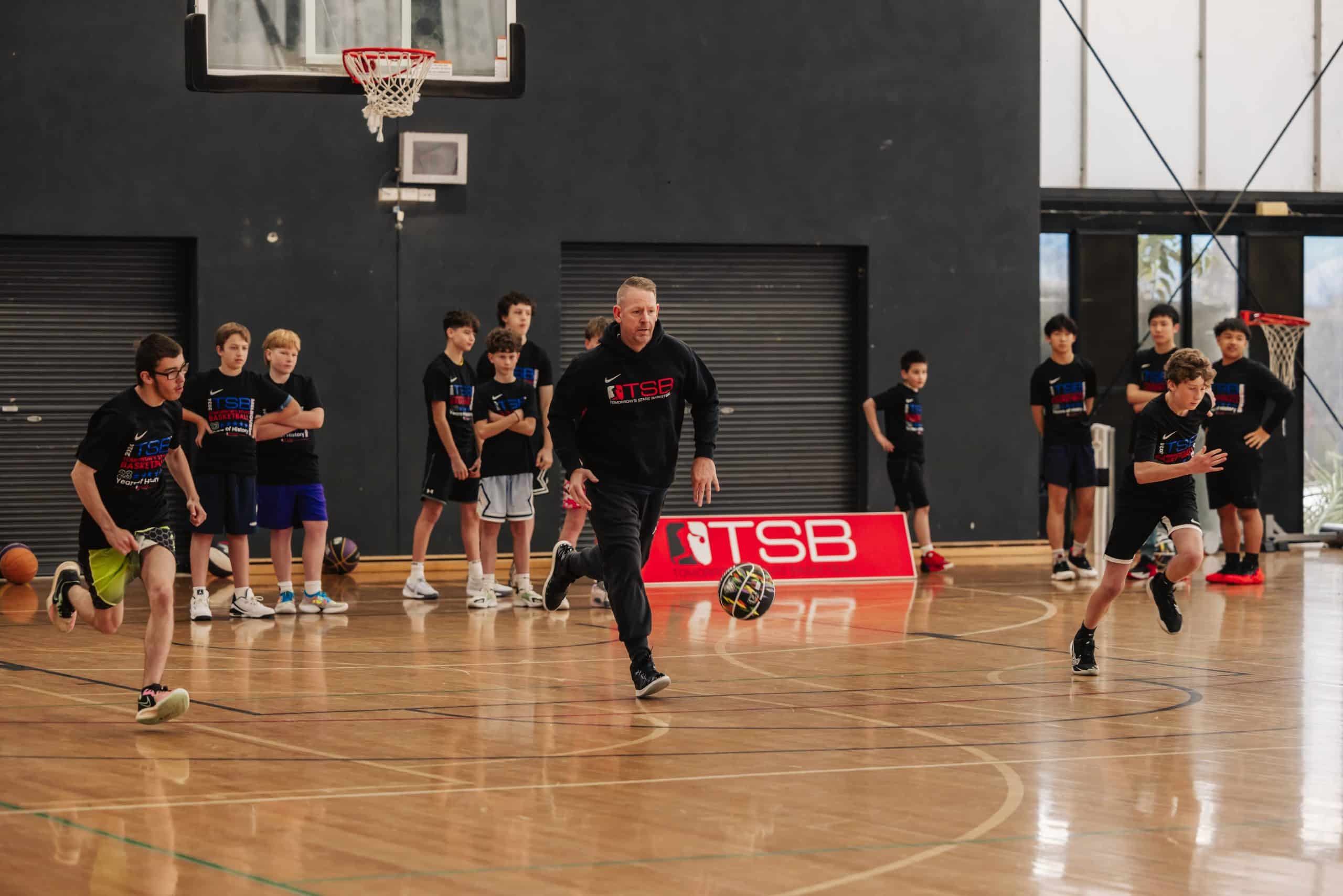
Think of a basketball camp as a dedicated learning environment. It’s usually run by experienced coaches who have a plan for what they want you to learn. The sessions are typically organised with specific drills and activities designed to teach particular skills or strategies. You’ll often find yourself in a group setting, working alongside other players who are also there to get better. The biggest draw here is the direct guidance you receive. Coaches are there to show you how to do things, correct your mistakes on the spot, and explain the ‘why’ behind different techniques. It’s a bit like being in a classroom, but on the court, with a clear curriculum and expert instructors.
Self-Training: Flexibility and Individual Pace
On the flip side, self-training is all about you and the ball. You decide what you want to work on, when you want to work on it, and how you want to do it. This could mean heading to the local park to shoot hoops by yourself, doing drills you’ve seen online, or working on specific moves you feel you need to improve. The pace is entirely up to you. If you want to spend an hour just on free throws, you can. If you’re feeling tired, you can cut the session short. It requires a good dose of self-discipline and motivation because there’s no coach standing over you, pushing you to keep going or telling you what to do next. It’s a more independent approach to skill development.
Skill Development: The Advantages of Camps
When you’re looking to really level up your basketball game, attending dedicated Basketball Camps can offer some serious advantages over just shooting hoops on your own. These camps are designed to give you a concentrated dose of improvement, pushing you in ways that solo practice often can’t.
Intensive Skill Refinement and Technique
Think of a camp as a focused workshop for your basketball abilities. You’re not just casually working on your game; you’re getting direct, expert guidance on the nitty-gritty details. Coaches at these camps are there to break down complex moves into manageable steps, helping you correct bad habits and build solid foundations. This kind of detailed attention can significantly speed up your learning curve. You’ll likely spend a lot of time drilling specific techniques, like perfecting your jump shot form or mastering a crossover dribble, with immediate feedback.
Exposure to Different Coaching Styles and Strategies
Every coach has their own way of seeing the game and teaching it. At a camp, you get to experience a variety of coaching philosophies and strategies. This exposure is incredibly beneficial because it broadens your understanding of basketball. You might learn a new defensive tactic from one coach and a different offensive play from another. This variety helps you become a more adaptable and well-rounded player, capable of understanding and executing different game plans.
Competitive Environment and Game Simulation
Camps often simulate game-like situations, putting you in scenarios where you have to perform under pressure. This competitive atmosphere is where you truly test your skills. You’ll be playing against other players who are also there to improve, creating a challenging but rewarding environment. This kind of practice is invaluable for building confidence and learning how to make the right decisions when the game is on the line. It’s about more than just drills; it’s about applying what you’ve learned in a dynamic setting.
Here’s a look at how camps can structure this development:
- Drill Intensity: Camps often use high-repetition drills designed for rapid skill acquisition.
- Situational Play: Scrimmages and small-sided games are used to replicate game pressure.
- Feedback Loops: Coaches provide immediate corrections and adjustments during drills and games.
The structured environment of a basketball camp provides a unique opportunity for players to receive concentrated coaching and experience game-like pressure, which can accelerate skill development beyond what is typically achievable through self-training alone.
Skill Development: The Advantages of Self-Training
While structured camps offer a lot, there’s a real power in going it alone with your basketball development. Self-training gives you a unique kind of control over how you improve.
Focus on Specific Weaknesses
Sometimes, you know exactly what you need to work on. Maybe your free throws are a bit shaky, or your crossover dribble isn’t as sharp as you’d like. Self-training lets you zero in on these specific areas without the distraction of a broader curriculum. You can spend an entire session just on one move, repeating it until it feels natural. This targeted approach can be incredibly effective for ironing out those personal flaws that might get less attention in a group setting.
- Identify your weakest skills. Be honest with yourself about what needs the most work.
- Design specific drills. Create or find drills that directly address those weaknesses.
- Track your progress. Keep notes on how you’re doing to stay motivated and see improvements.
Building Discipline and Self-Motivation
Training by yourself isn’t just about the physical reps; it’s a mental game too. You’re the one who has to show up, put in the effort, and push yourself when you don’t feel like it. This builds a strong sense of discipline and self-motivation that’s useful way beyond the basketball court. It teaches you to be accountable for your own growth and to find that inner drive to keep going, even when no one else is watching.
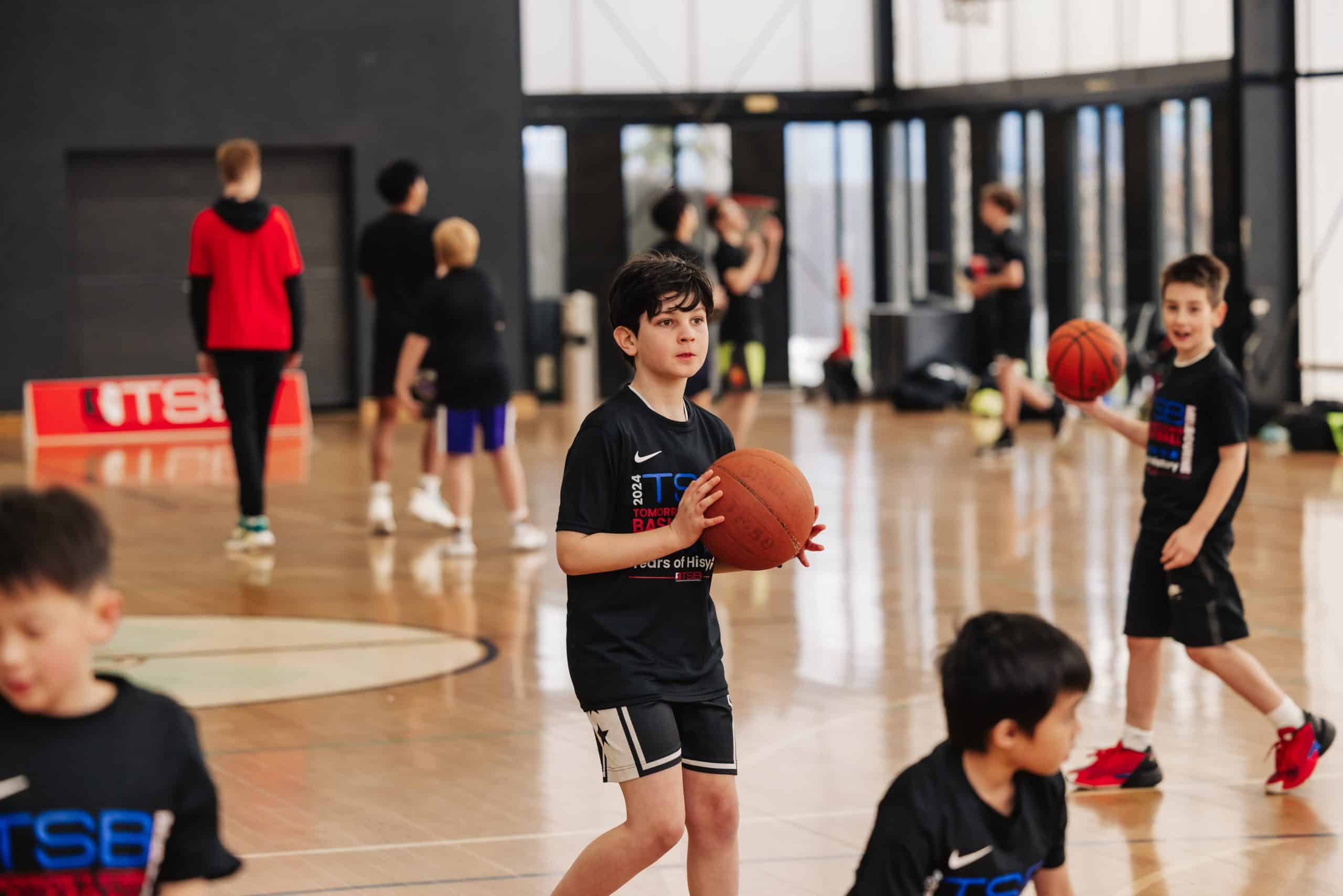
When you train on your own, you learn to rely on your own internal compass. It’s about developing the grit to practice even when it’s tough, which is a skill that pays dividends in all aspects of life.
This kind of independent practice is perfect for players who are already quite self-aware and have a good handle on their game. You can tailor your schedule to fit your life, practice whenever and wherever you have the chance, and really own your journey to becoming a better player.
Making the Right Choice for Your Development
Deciding between a structured basketball camp and a more independent self-training approach really comes down to what you’re aiming for and how you learn best. Think about your current skill level and what you want to achieve. If you’re looking for rapid improvement in specific areas and enjoy learning from different coaches, a camp might be the way to go. It offers that concentrated dose of expert guidance and a competitive push. On the other hand, if you prefer to set your own pace, focus deeply on one or two weaknesses, and build that inner drive, self-training could be more your style.
Consider this: camps provide a curated experience, often with drills designed to push you outside your comfort zone and expose you to new tactics. Self-training, however, lets you be the architect of your own development. You can spend hours on that one tricky crossover or perfect your free throw without any time constraints. It’s about building that personal discipline and understanding your own game on a deeper level.
Here’s a quick way to think about it:
- Camps: Great for broad skill exposure, learning from multiple coaches, and experiencing game-like pressure.
- Self-Training: Ideal for targeted practice, developing self-discipline, and learning at your own speed.
Ultimately, the best choice isn’t a one-size-fits-all answer. It’s about understanding your own learning preferences and goals. Sometimes, a combination of both can be incredibly effective. You might attend a camp to get a solid foundation and new ideas, then use self-training to reinforce those lessons and work on specific areas identified during the camp.
The key is to be honest with yourself about what motivates you and where you see the biggest gaps in your game. Don’t just pick what seems easiest or most popular; pick what will genuinely help you grow as a player.
Conclusion: Finding the Optimal Balance
So, you’ve looked at the differences between structured basketball camps and going it alone with self-training. Both have their own good points, right? Camps give you that intense coaching and a taste of different styles, which is pretty handy for shaking things up. On the flip side, training yourself lets you really zero in on what you need to fix and builds that inner drive.
The real trick is figuring out how to blend these approaches to get the best results for you. It’s not really an either/or situation. Think about it like this:
- Camps: Great for getting a solid foundation, learning new techniques quickly, and experiencing a competitive buzz. They’re like a concentrated dose of basketball knowledge.
- Self-Training: Perfect for reinforcing what you learned at camp, working on those specific moves that give you grief, and developing the discipline to keep going even when no one’s watching.
Ultimately, the most effective development comes from a smart mix. Use camps to gain new insights and refine skills, then take that knowledge and apply it through dedicated self-practice. This way, you’re not just learning, you’re truly growing as a player.
Consider your current skill level and what you want to achieve. If you’re just starting out or feel stuck, a camp might be the perfect kickstart. If you’re already pretty solid but have a few nagging weaknesses, focused self-training, perhaps guided by notes from a previous camp, could be the way to go. Maybe you can even find local training groups that offer a bit of both – structured sessions with opportunities for individual focus. The goal is to keep learning and improving, no matter how you get there.
So, What’s the Verdict?
Ultimately, the best approach to improving your basketball skills really depends on you. If you’re super disciplined and know exactly what you need to work on, self-training can be a cost-effective way to go. However, for most players, especially younger ones, structured training like camps or group sessions offer a more balanced path. These environments provide expert guidance, real game situations, and the chance to learn from others. While one-on-one training offers the most personalised attention, it often comes with a higher price tag. Consider your goals, your budget, and how you learn best when making your choice. Whichever route you pick, remember that consistent effort and a smart training plan are key to seeing real improvement on the court.
Frequently Asked Questions
Basketball camps offer a fantastic way to boost your skills. You get to learn from experienced coaches who can show you the best techniques for dribbling, shooting, and defending. They often run drills that focus on making you better at specific parts of the game, and you get to practice these skills a lot in a short time. Plus, playing with other talented players can push you to improve even faster.
Training by yourself gives you heaps of freedom. You can decide exactly what you want to work on, maybe those free throws you keep missing or that crossover dribble. You can train whenever it suits you, and you don’t have to worry about keeping up with anyone else. It’s also a great way to build your own discipline and learn to motivate yourself, which are super important skills for life.
While self-training is great for practising what you already know or working on specific things, it’s hard to spot your own mistakes. A coach can see things you might miss, like your footwork or how you hold the ball, and give you tips to fix them. So, while self-training is valuable, it usually works best when you also get feedback from someone who knows the game well.
Absolutely! Basketball is a team sport, and camps are brilliant for learning how to play with others. You’ll be put into situations where you have to communicate with your teammates, trust them, and work together to win. This experience helps you understand different player roles and how to support each other, which is a skill that’s useful way beyond the basketball court.
Camps often have competitive games and drills that feel like real game situations. This means you have to perform your best even when things get intense. Learning to stay focused and make good decisions under pressure during a camp is a really valuable skill. It helps you get used to that feeling, so you’re better prepared for important games or even stressful situations in school or life.
Self-training is a brilliant choice if you’re already quite good at basketball and know your own game well. It’s perfect for when you need to focus on a particular weakness, like improving your jump shot accuracy or ball-handling speed, without the distractions of a group. It’s also ideal if you have a busy schedule and need the flexibility to train whenever you can fit it in.
JOIN THE TEAM
Subscribe today and be first to receive updates on our programs, offers and specials.

Join The Team
Subscribe today and be first to receive updates on our programs, offers and specials.
